
SaaS Marketing Simplified · Chapter 9 of 10: Financials, Boards and CEOs
How do you build a marketing budget your CEO, CFO and board will back?
By Shiv Narayanan, Founder & CEO of How To SaaS
Marketing leaders earn budget by speaking the language of finance. This chapter covers CMO and CFO alignment, financial models, forecasting and how to make the case for the marketing budget a business needs.
Drawing 101
CMO Financial Stewardship
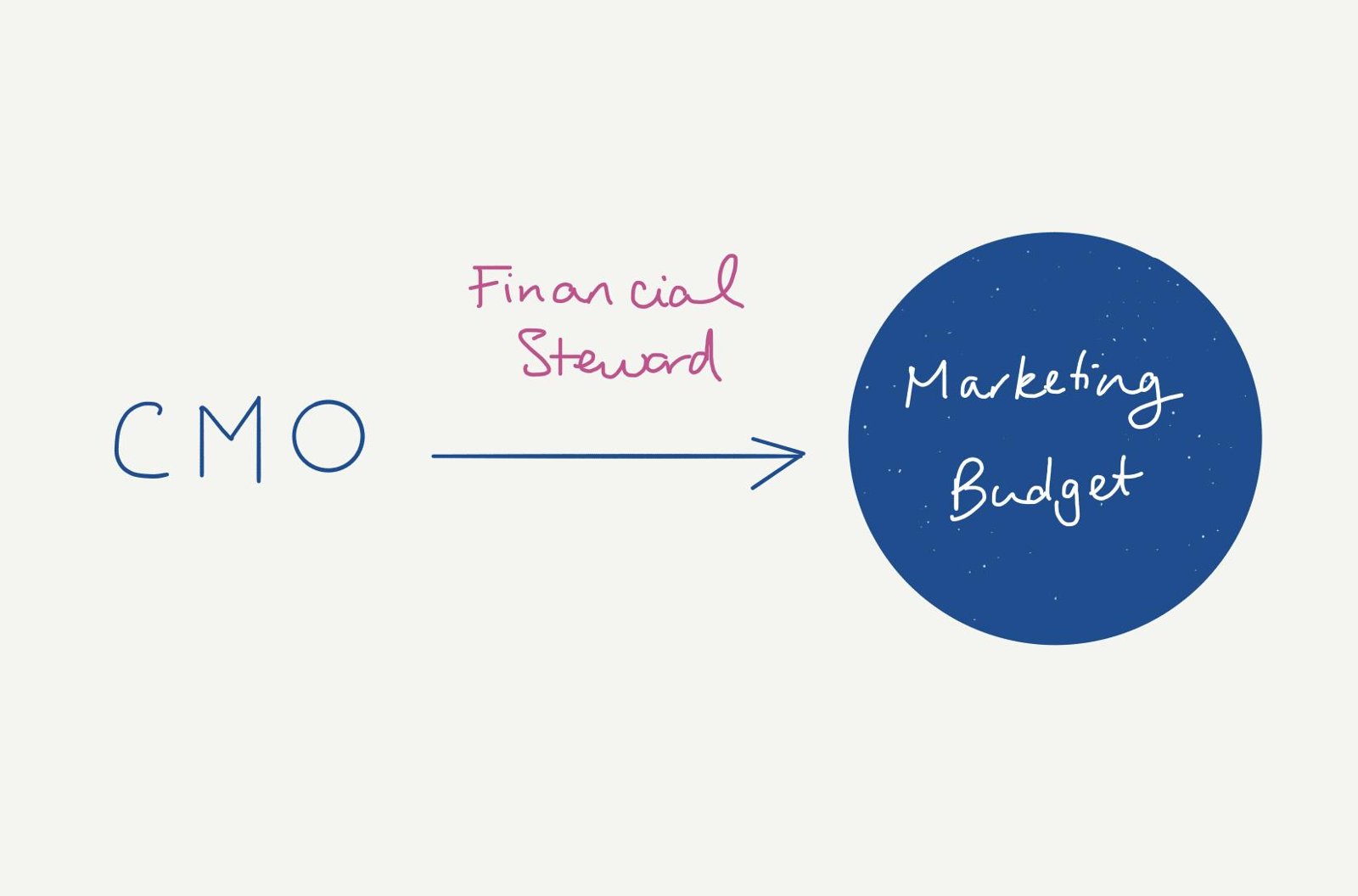
As a marketing leader, you are a financial steward for the business. This means you have a fiduciary responsibility to invest your marketing dollars wisely. Spending that money unwisely can be a quick way to run the business into the ground — if they don’t fire you first.
Dealing with your marketing budget should follow the same principles as when you deal with your own money.
Some obvious rules:
- Don't spend money on things that are purely cost centers with no ROI.
- Don't be too prudent or careful and miss opportunities to capture value.
- Always be actively thinking about where to invest your limited resources more effectively.
Too many marketing budgets burn cash/capital from founders or investors because it doesn't feel like your own money.
But it really is your own money. It's the capital at your disposal to grow the company and the team. Plus, better managing your budget will allow you to help more customers.
Treat it as such and operate this way. Your CFO and CEO will become your biggest fans and supporters.
Drawing 102
CMO and CFO Alignment
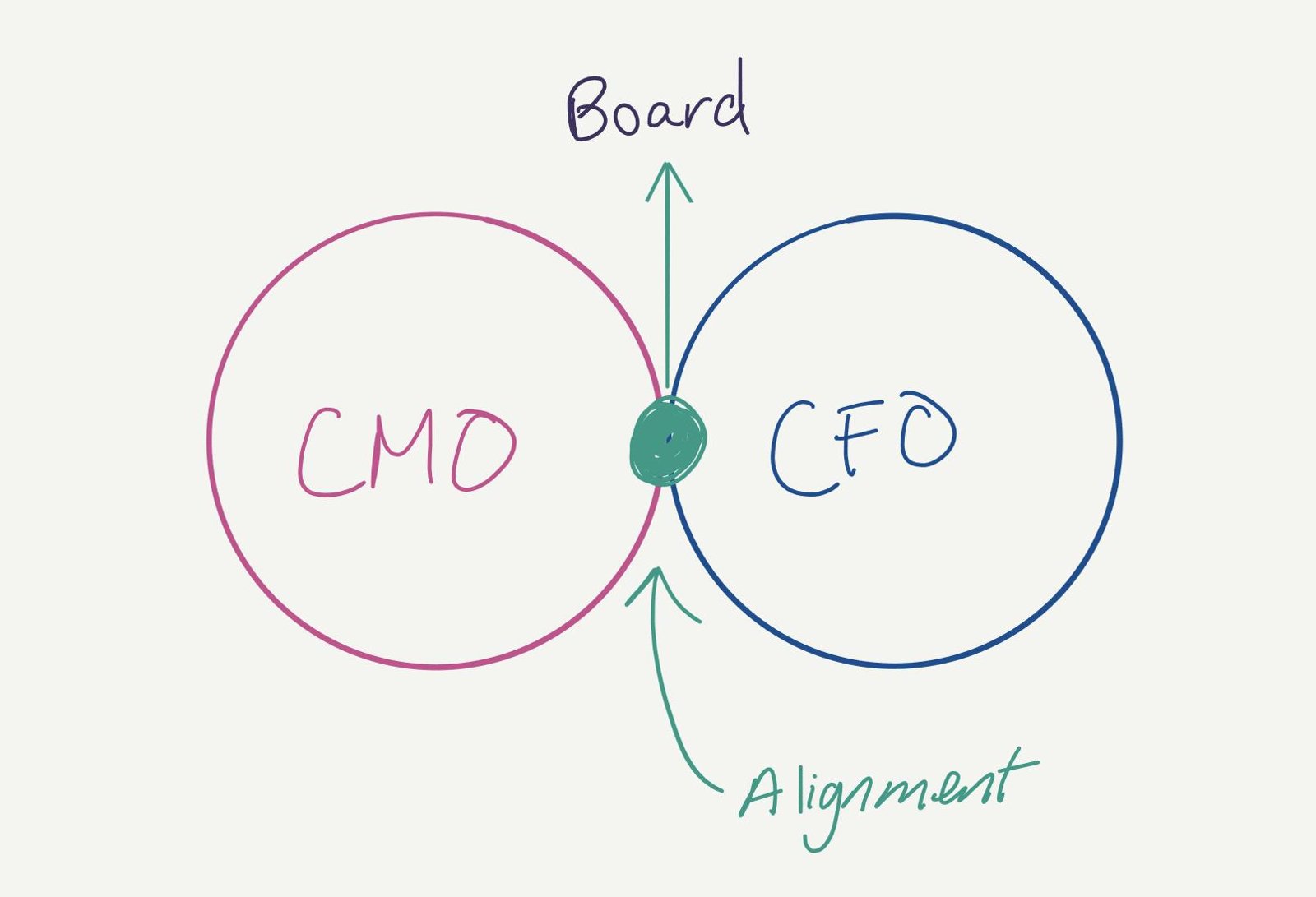
Alignment with the CFO is one of the most important relationships for marketing leaders. Why?
- The biggest roadblock to scaling marketing is budget.
- The way to get more budget is to have data that shows the impact marketing is making.
- The CEO and board are the people you need to sell that story to.
- Your odds of success dramatically increase if you and your CFO are aligned on those numbers and the right-sized budget.
If you're a marketing leader and you haven't spent enough time on the P&L (profit and loss statement), balance sheet, cash flow statement or financial projections, start spending a lot more time there.
You will become a far better marketing leader and executive.
Drawing 103
Financial Model
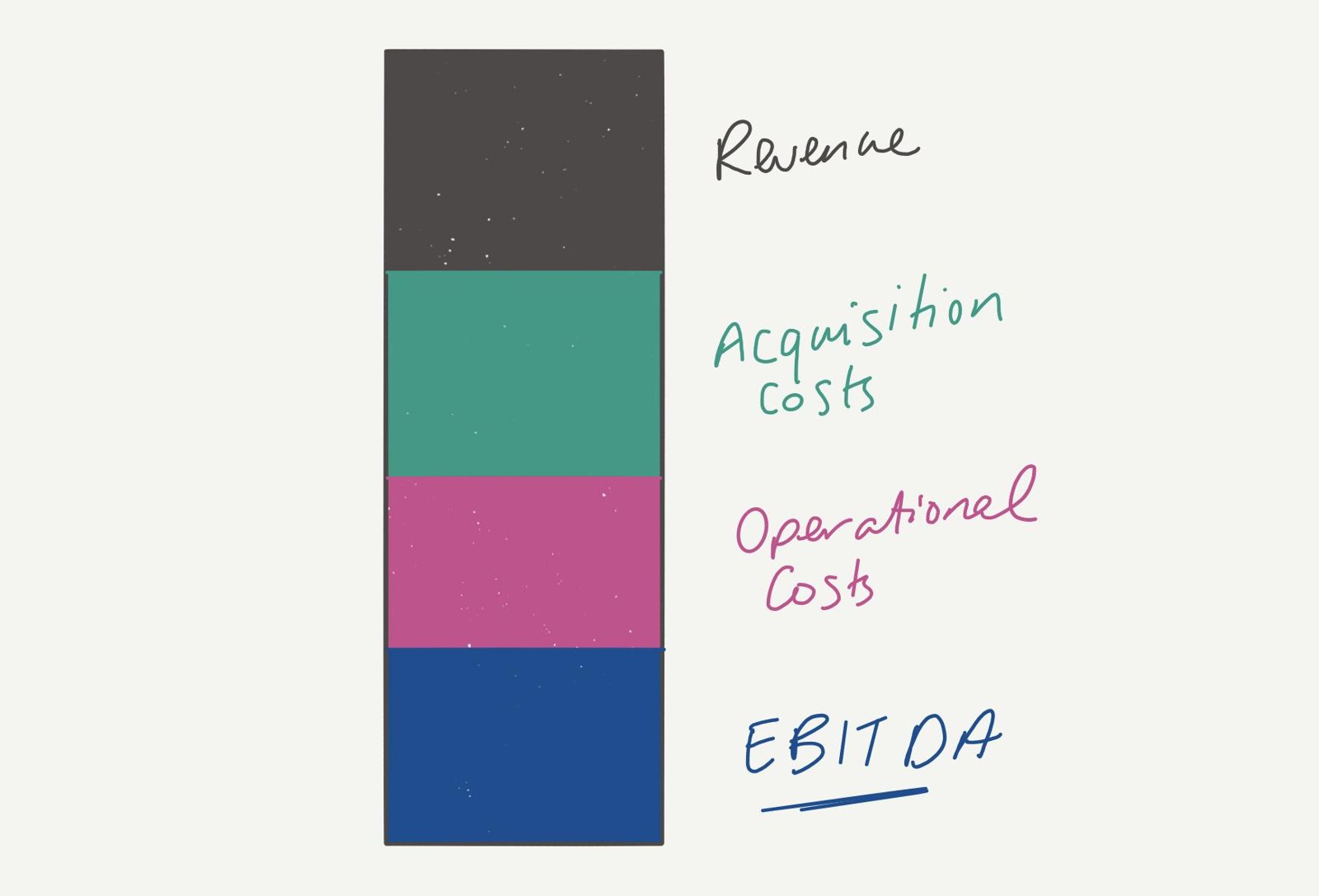
Knowing the financial model for your business is critical to your success as a leader. It’s pretty much impossible to make smart decisions about marketing budget allocation if you can’t see the full financial picture of the business.
Things you should have a thorough understanding of:
- Your revenue/gross margins: how much cash does each sale generate?
- Your acquisition costs (CAC): how much cash are you investing into acquiring the sale?
- Your overhead/operational costs: how much cash do you need to cover your operating expenses each month?
- Your EBITDA/profit margin: how much free cash flow is the business generating by continuing to operate?
These are the questions your CEO, CFO and board think about every single day.
As you answer these questions, you begin to understand how your role/team/department fits into the bigger financial picture of the organization.
The better you understand that financial picture, the better you can figure out how to deploy the budget at your disposal to make the organization more successful.
It's also how you can lobby for more budget to grow your impact on the organization.
Drawing 104
Budget to Revenue Disconnect
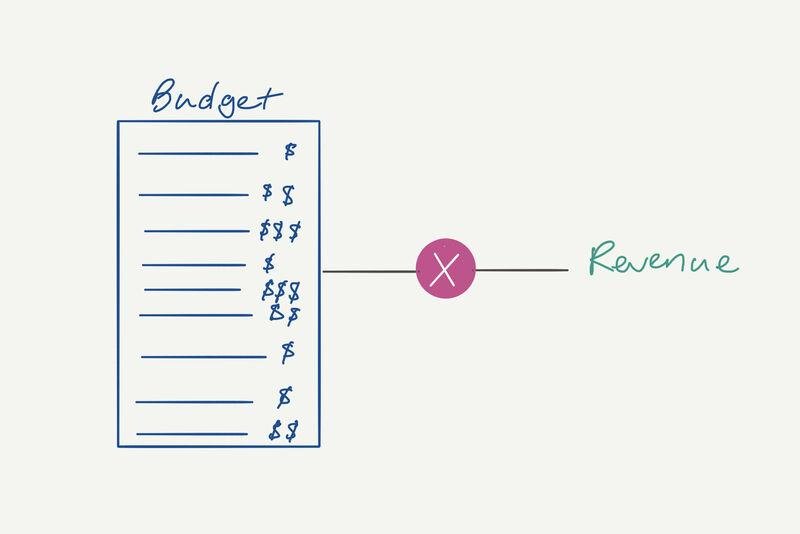
At some point, budgets agreed upon with finance teams must show ROI in the form of revenue.
It is important to play the patient game with marketing and understand that you can’t measure everything. But results are important too.
If Finance doesn’t ask why revenue hasn’t gone up then Finance isn’t doing its job. If the CEO doesn’t put Marketing, Sales and Finance in the same room and ask the question, then the CEO isn’t doing their job.
While it’s true that the right channels might not get attribution because of how customers behave, hiding behind brand/comms work is equivalent to hiding behind attribution metrics.
Your overall revenue metrics should trend upwards as you:
- Invest more in content
- Spend more on paid channels
- Add more headcount
- Bring in more marketing tools
- Hire more agencies
This means marketing-sourced pipeline goes up, sales cycles decrease, and marketing-sourced revenue goes up.
If they’re not improving over a long period of time, maybe your brand/content/demand gen work isn’t working after all.
Drawing 105
Step Function Expenses
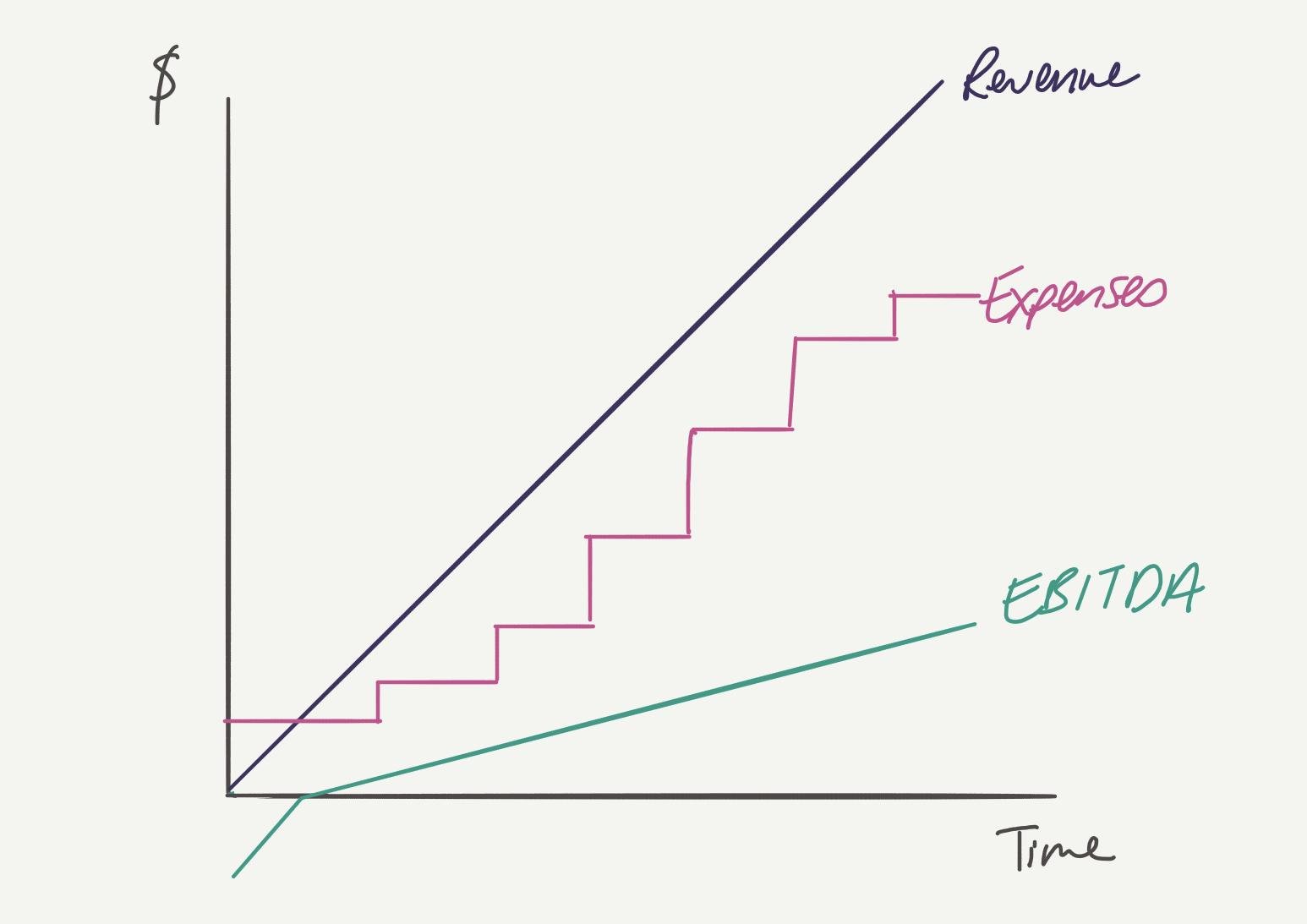
Revenue increases gradually while expenses increase like a step function. Whether you're the CEO or a team member, this is a key dynamic to understand.
Every time you ramp up expenses, it cuts into your profitability. This is why ramping up expenses in the right areas is critical.
The right expenses are better framed as investments. They ramp up revenue as well so your profitability curve smoothes out.
Every time you bring the CEO or board a budget proposal for an expense that doesn't ramp up revenue, the likelihood of getting that budget drops to 0.
There are so many places they can invest additional dollars that investing in a place with no ROI has a high opportunity cost as well.
This is why companies view many functions, including marketing, as cost centers.
Marketing costs look more like expenses than investments if the marketing leader can’t explain how added costs, programs or headcount will ultimately grow the business in a reasonable time horizon.
For example: asking for $10k to spend on a content freelancer looks like an expense. Asking for $10k to build 10 bottom of funnel assets that will increase conversion rates by 20% looks like an investment. Same dollar value — different perspective.
Tie your step function to a gradual increase in revenue and your odds of getting additional funding increase dramatically.
Drawing 106
At Risk vs. Healthy Pipeline
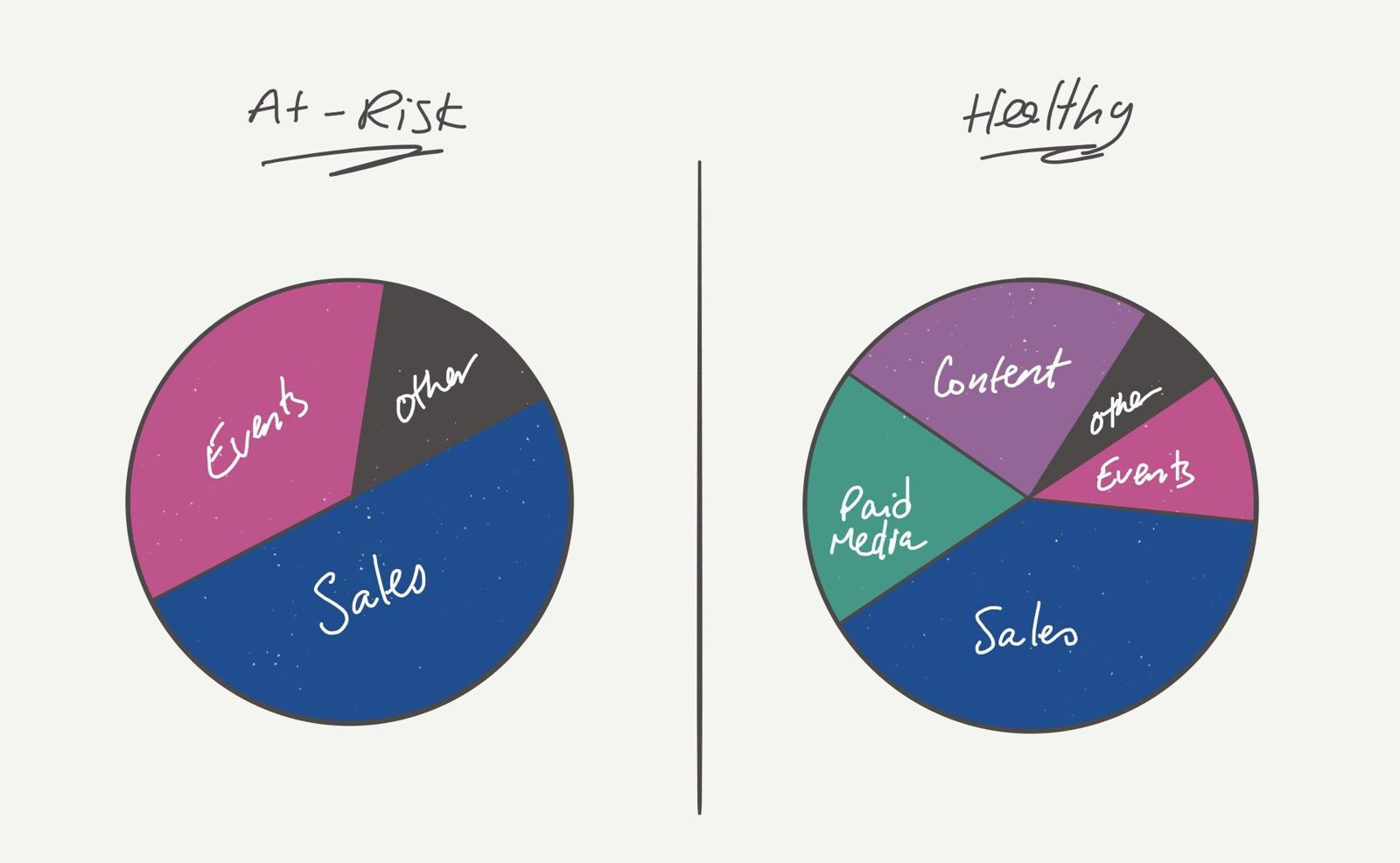
Organizations that over rely on Sales and Events for pipeline put their sales targets at risk.
We see this most often inside Sales-led organizations where Marketing has a limited budget.
How can you expect to hit aggressive sales projections when you aren't engaging with buyers on channels where they spend most of their time?
Instead, investing into digital and buyer-centric channels increases the odds of hitting pipeline targets.
Growing Marketing-generated pipeline is the key to hitting aggressive sales projections.
When Marketing stops over-relying on events and builds new customer acquisition channels, it forces the organization to be less Sales-led.
This takes time. It’s why marketing leaders need to lobby CEOs and boards with budget recommendations to invest in the right channels to become more Marketing-led.
Drawing 107
Marketing Spend Breakdown
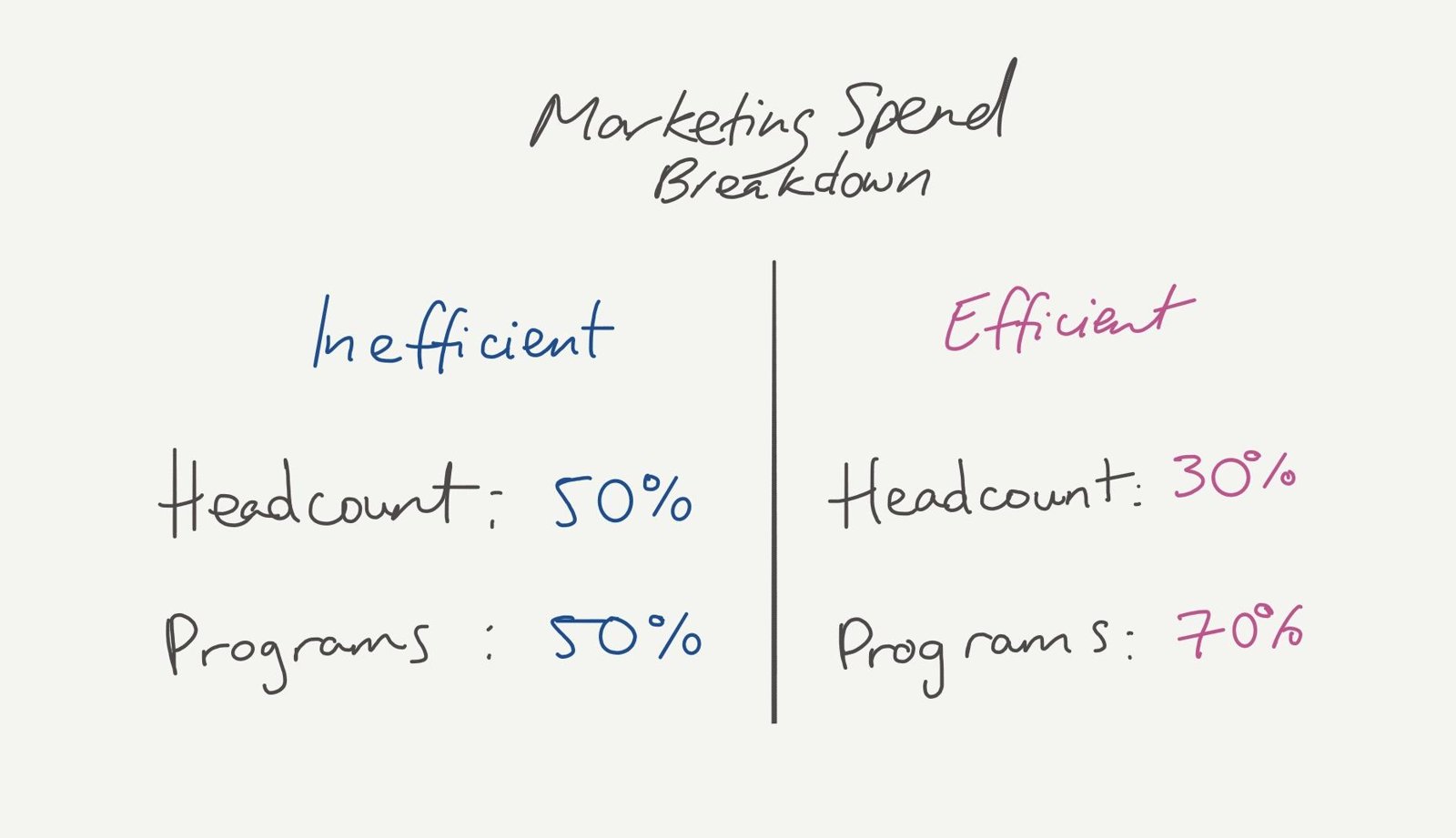
Marketing program spend and headcount should almost never be equivalent.
In most companies where these numbers are equivalent, it's not that the team is too large: it's that the program and campaign spend is too little.
You can have an incredible marketing team, but if they don’t have enough budget to back their campaigns, their success will be seriously limited.
Key questions marketing leaders need to answer in these organizations:
- Where would additional spend go?
- What is the potential impact to the business?
- How can our existing team amplify its efforts with more spend?
- Who will we need to hire as we spend more?
Drawing 108
Marketing Underfunded
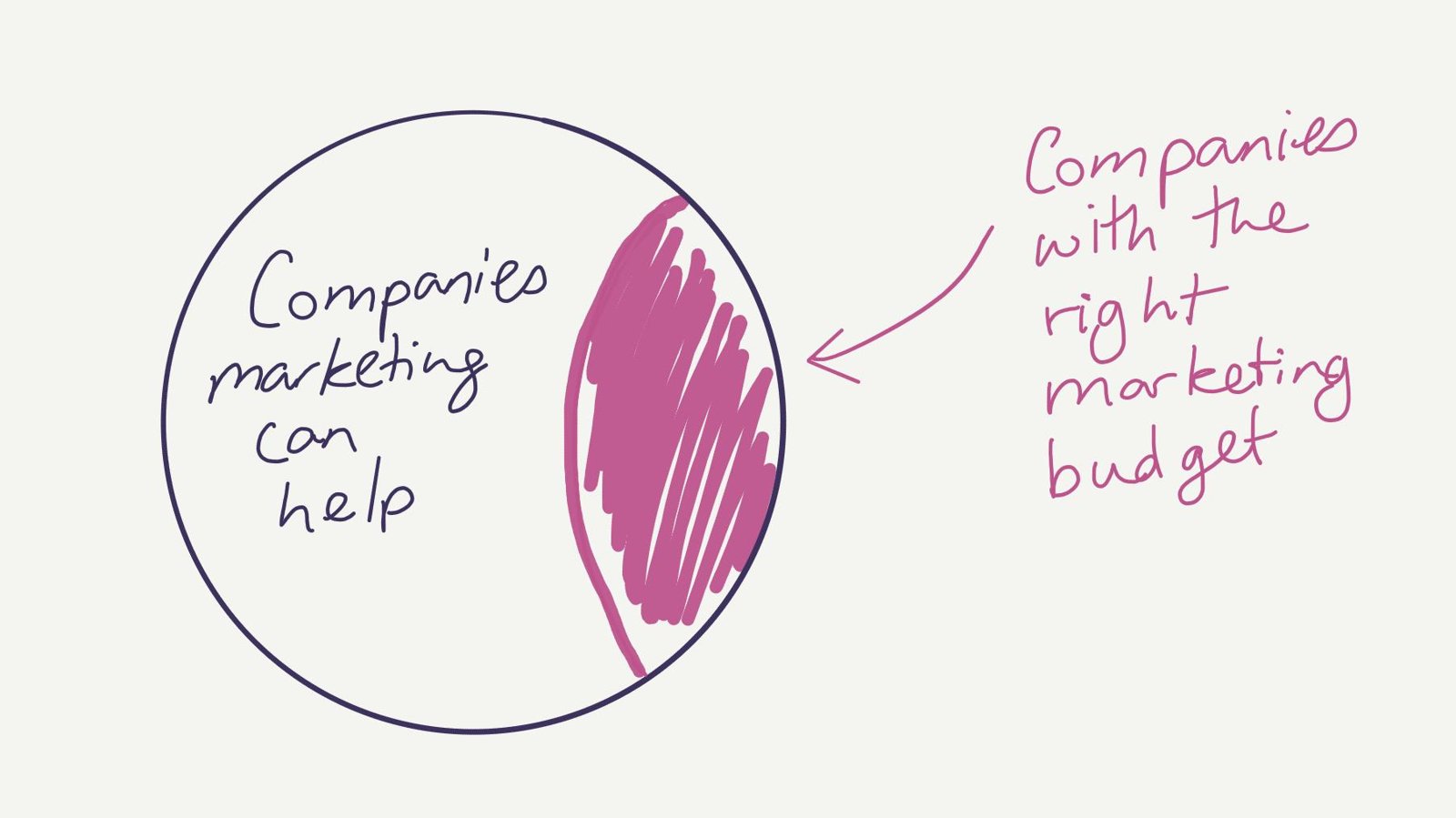
Many marketing functions are underfunded. Many marketing functions are also underperforming. This isn’t a coincidence.
Marketing isn’t underfunded because it can't make an impact on the business. It's because marketing, as a culture, has taken so long to bring self-awareness to its function.
Spotting a marketer who admits that a campaign they invested time, effort and money into didn’t work is like spotting a unicorn. It doesn’t happen often, if at all.
Counterintuitively, Marketing’s best means for gaining credibility is to share the initiatives that didn’t work and then share a plan for how they will better reallocate that spend.
The best way to overcome this budget barrier is with data. Having the right data helps you shift the conversation to the value marketing is driving. That makes it easier to get more budget — you can say how effective marketing is and the ROI you can expect with increased spend.
The data also brings self-awareness to the marketing organization so it can tell the rest of the organization when something isn’t working.
That's when everyone else in the organization starts taking marketing more seriously.
Drawing 109
Scale-Ready Characteristics
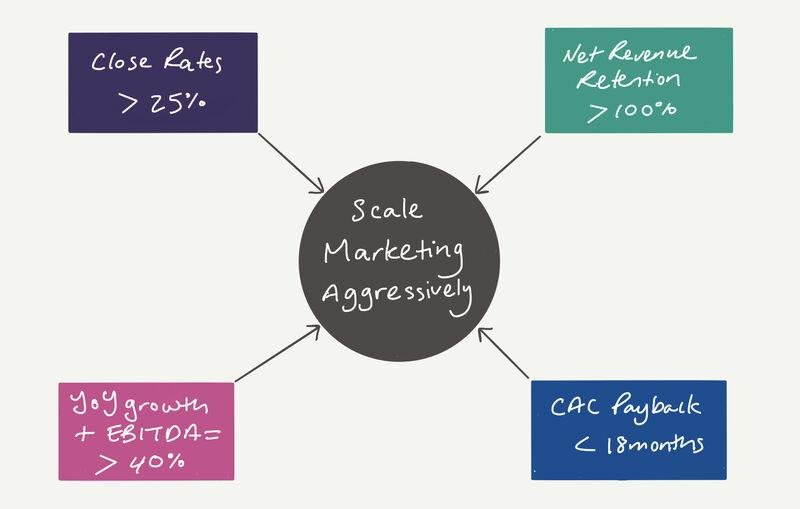
Is your company in the right position to scale marketing aggressively?
Scale-ready companies have certain characteristics that show they've reached an advanced stage of Product-Market Fit:
- Close Rates > 25%: When a deal enters the pipeline, there’s an efficient sales process behind the engine to convert it to Closed Won.
- Net Revenue Retention > 100%: Your customer base's value grows over time despite the attrition you experience.
- YoY Growth + EBITDA > 40%: This is the rule of 40. It means the business has enough growth, profitability or both to keep growing the enterprise value of the business.
- CAC Payback < 18 months: The cash you invest into growth is returned within a reasonable period. This number should normally be below 12, but when you’re growing aggressively, a CAC payback period below 18 is fine.
Marketing needs to be aware of how the company is performing against these benchmarks. Be ready to advocate for scaling marketing efforts at the moment the business is scale-ready.
Drawing 110
Bottom-Up Forecasting
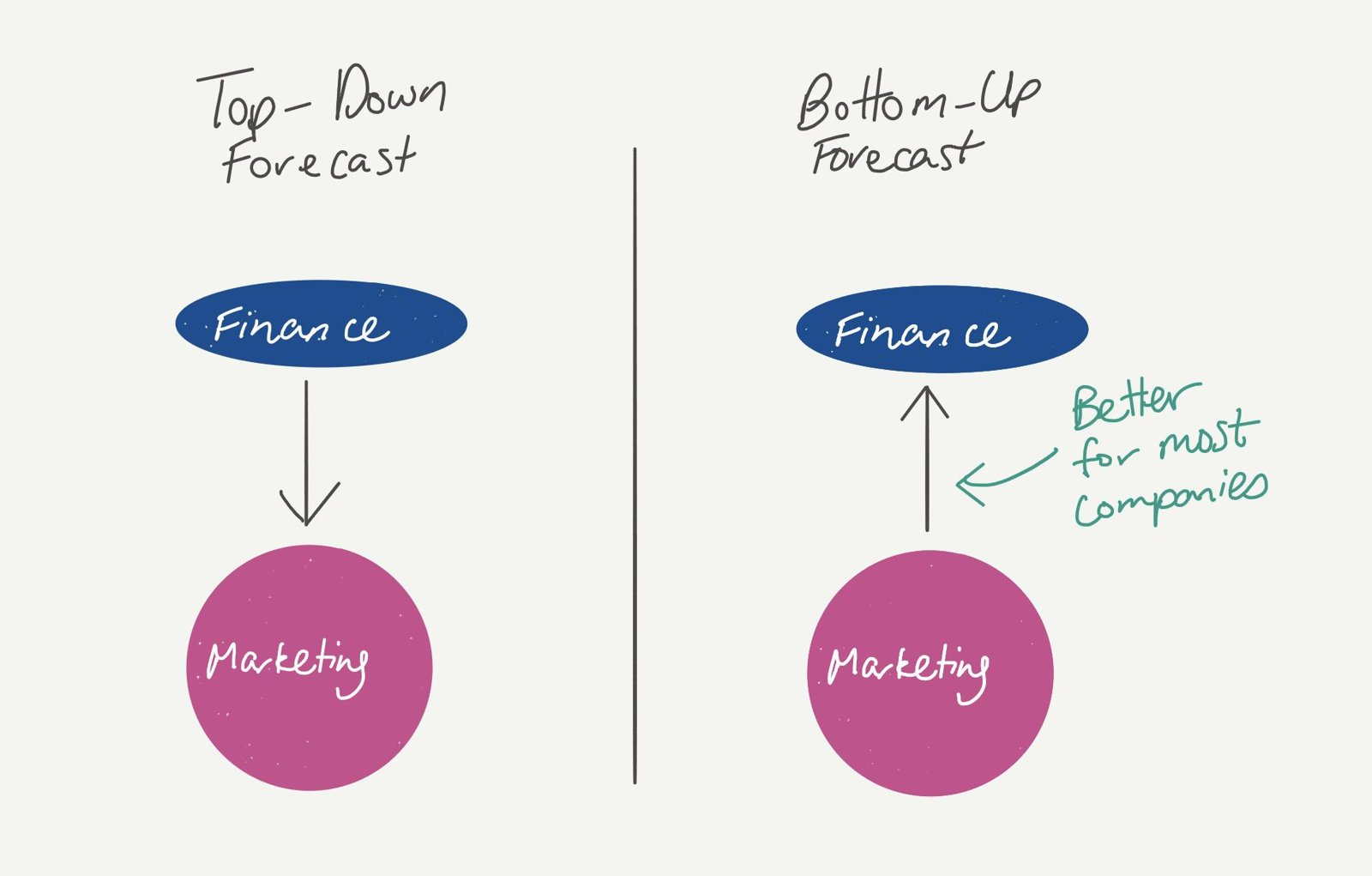
Forecasting is not just a math exercise. But in a lot of companies, it is treated as one.
If Finance puts together aggressive projections without properly understanding the business’s specific growth levers, it is setting up the organization to fail.
Without proper input from Marketing and Sales, the organization is far less likely to meet its sales projections.
To use a bottom-up approach, you need to understand all the different inputs of your revenue model. This is where questions like the following become important:
- How much pipeline does each channel generate?
- What are the close rates on pipeline by region?
- How much can you upsell the existing customer base?
Functions like Marketing and Sales need to have the right data points to inform forecasting decisions and actively push Finance to involve them more in budgeting cycles.
Unrealistic, uninformed expectations are a big reason why companies miss their sales projections.
And the better the forecast, the more accountability there is for everyone involved.
Drawing 111
Marketing Budget Needed
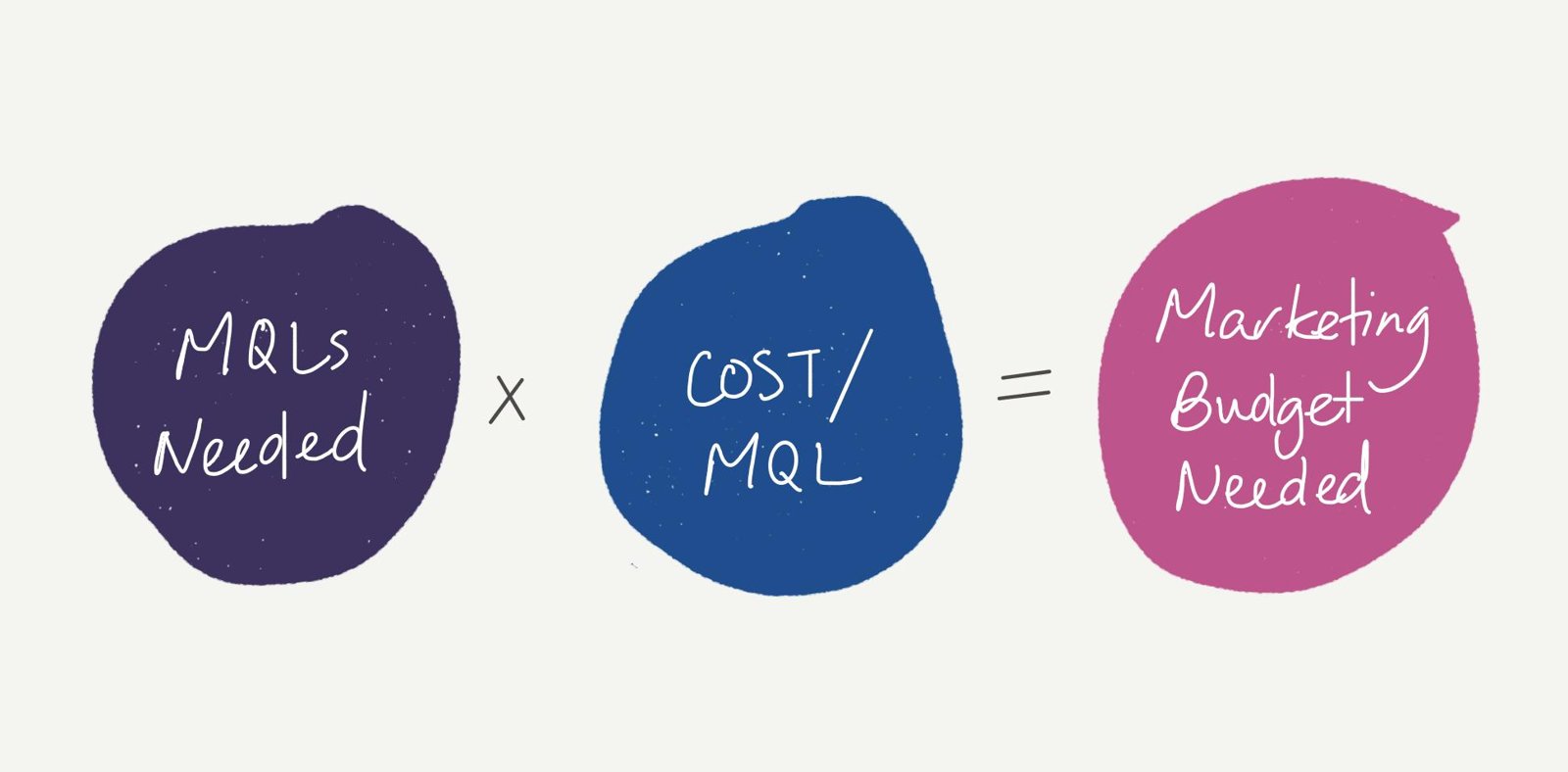
There's a far too prevalent paradox of expectations in some companies when sales projections are made by boards and executive teams. They set ambitious sales targets, but the marketing budget stays the same.
Ambitious sales targets = more pipeline needed = more marketing support needed = more marketing budget needed.
On one hand, we all want to close more deals. We also know that to close more deals, we need more good fit customers to walk in the door.
On the other hand, most companies are not willing to invest the time, effort and resources it takes to bring those people in the door.
This is how some companies put Marketing in a position to fail. It is also how some companies strand salespeople with quotas they can never hit.
What Marketing can do better here is to explain how its budget is currently performing. Then, bring that data to the board level and explain why more budget is needed before they set those ambitious sales targets. The marketers who can't do this are left feeling like second-class citizens constantly fighting an uphill battle internally.
MQLs aren't free. It's time everyone (including marketers) understood that.
Keep reading SaaS Marketing Simplified
Want to talk through how this applies to your business?
Book a time to speak with our team.